Periphery: The Typeface for Brands with Soul
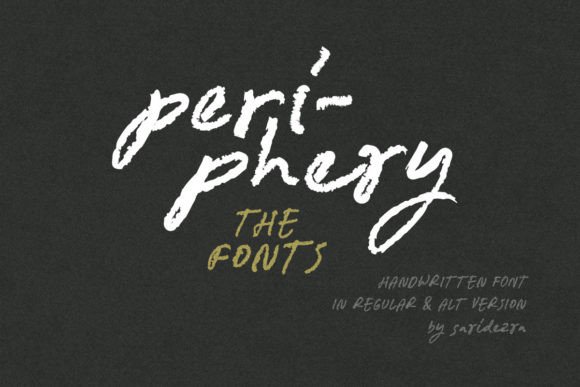
In a world saturated with pixel-perfect, algorithmically smoothed fonts, there's a growing hunger for something more real. We crave the human touch, the subtle imperfections that signal authenticity over automation. This is precisely where Periphery comes in. It’s not just another handwritten font; it’s a premium font that masterfully captures the essence of imperfect, hand-drawn lettering. Each letterform carries the slight tremor of a pen on textured paper, the uneven ink flow, and the organic rhythm of a human hand. For designers, entrepreneurs, and creators, Periphery offers a direct line to that feeling of genuine craftsmanship.
The Irresistible Charm of Controlled Chaos
What makes Periphery so visually compelling? Its personality is built on a foundation of beautiful irregularity. Unlike many script fonts that feel overly polished or uniform, Periphery embraces its rough edges. The letterforms have a slight, natural variation in baseline and x-height, creating a dynamic texture that's visually engaging without sacrificing legibility. The strokes aren't perfectly smooth; they have a subtle, tactile quality that mimics graphite or a dry brush. This isn't chaotic—it's carefully crafted to feel spontaneous. The overall appeal is one of warmth, approachability, and creative confidence. It says, "A real person made this," which is a powerful message in today's digital landscape.
Where Periphery Truly Shines: Beyond the Logo
While Periphery can certainly make a striking logo, its strength lies in its versatility across a wide range of projects. It’s a creative font that excels where a personal connection is key.
- Brand Identity & Packaging: For artisan brands, coffee roasters, boutique bakeries, or independent publishers, Periphery is a game-changer. Use it on packaging, labels, and brand collateral to instantly communicate a story of small-batch quality and care. It pairs beautifully with clean sans serif fonts for body text, creating a balanced and professional brand identity.
- Editorial & Publishing Design: In editorial design, Periphery shines for chapter titles, pull quotes, or section headers in magazines, blogs, and books. It adds a layer of editorial personality that draws readers in, making content feel more intimate and curated. It’s perfect for lifestyle blogs, recipe cards, and author bios.
- Marketing & Social Media: Cut through the noise of generic social media graphics. Periphery is ideal for Instagram quotes, story highlights, webinar promotions, and email headers. Its distinctive style boosts recognition and stops the scroll, making your marketing assets feel more like handcrafted notes than corporate broadcasts.
- Web Design & Digital Products: Used judiciously, Periphery can elevate a web design. It’s fantastic for hero section headlines, call-to-action buttons, or testimonials on a website. For digital products like planners, worksheets, or course materials, it adds a helpful, instructor-led feel that enhances user experience.
- Personal & Commercial Projects: Crafters, hobbyists, and small business owners will find endless uses. From wedding invitations and greeting cards to menu designs and workshop flyers, Periphery adds that handmade touch that makes any project feel special. Always check the commercial font license for your intended use.
Making Periphery Work for You: Practical Guidance
Integrating a distinctive font like Periphery into your toolkit requires a thoughtful approach. Here’s how to use it effectively without overwhelming your audience.
Choosing the Right Context
First, evaluate your project's fit. Periphery is a display font, not a body text workhorse. Its magic is in headlines, short phrases, and accents. Ask yourself: does the project call for warmth, personality, and a human-centric feel? If you're designing a technical manual or a corporate annual report, a clean serif font or sans serif font is likely more appropriate. But for a brand that values storytelling and connection, Periphery is a powerful tool in your design assets library.
Mastering the Font Pairing
The key to using Periphery professionally is pairing. It craves contrast. Let it be the star in headlines and pair it with a stable, highly legible companion for body copy. A classic, geometric sans serif like Futura, Helvetica, or a modern alternative creates a beautiful tension—the organic versus the structured. For a more traditional feel, a clean, old-style serif font can also work well. The goal is visual hierarchy: Periphery draws the eye, and the supporting font delivers the detailed information comfortably.
Readability and Consistency
While its irregularities are charming, be mindful of readability at small sizes. Always test Periphery at the intended scale. It’s often best used for larger text elements where its character can be fully appreciated. For consistency in your brand, establish clear rules: use Periphery only for specific elements (like primary headlines or the brand name) and stick to your chosen body font everywhere else. This prevents visual clutter and strengthens brand perception.
Exploring the Styles and Licensing
Before purchasing, review the full package. Does the premium font include multiple weights (like Regular, Bold, or Light)? Are there alternate characters or ligatures that offer more variety? Understanding what's included ensures you can maximize its use. Crucially, verify the commercial font license aligns with your projects—whether for client work, merchandise, or digital products. Respect the creator's terms to avoid legal pitfalls and support the ecosystem of quality modern typography.
Ultimately, Periphery is more than a typeface; it's a strategic choice. It’s for the designer who wants to inject soul into a layout, the entrepreneur building a brand with a clear point of view, and the creator who believes that the small, human details are what truly resonate. By understanding its personality and applying it with intention, you can leverage Periphery to create work that feels genuinely, compellingly real.