Wood Carving: A Font with Soul
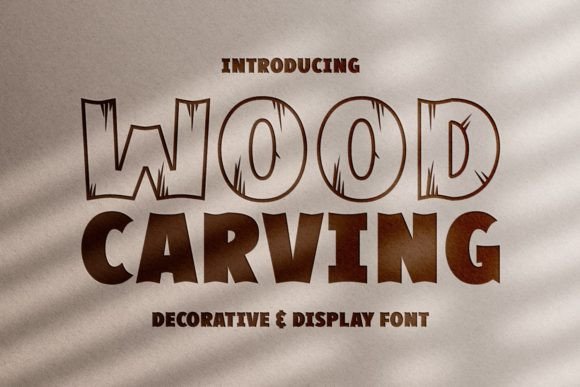
There’s a certain warmth that comes from a piece of hand-carved wood. You can feel the history in the grain, see the story in the chisel marks, and appreciate the time it took to transform a simple block into something beautiful. That’s the feeling we wanted to capture with the Wood Carving display font. It’s not just a set of letters; it’s a texture, a mood, and a direct connection to craftsmanship in an increasingly digital world.
So, what exactly makes Wood Carving stand out? Each character is meticulously designed to mimic the authentic look of wood grain and the subtle imperfections of a hand-cut tool. Unlike a generic serif font or a clean sans serif font, this typeface has a distinct tactile quality. The strokes have natural variation, and the textures shift from letter to letter, preventing the monotonous, stamped look that can make digital typography feel sterile. It’s a premium font that feels organic, sturdy, and full of personality.
Where This Typeface Truly Shines
While a script font or handwritten font might suggest a casual, personal touch, Wood Carving brings a sense of established, rustic elegance. This makes it an exceptional choice for projects where you need to convey heritage, authenticity, and quality without feeling old-fashioned.
Think about brand identity for artisanal businesses. A craft brewery, a boutique woodworking shop, a specialty coffee roaster, or a farm-to-table restaurant could use this display font to instantly communicate their core values. In logo design, a wordmark set in Wood Carving becomes the centerpiece, telling a story of handcrafted care before a customer even reads the tagline.
Its strength extends powerfully into packaging design and editorial design. Imagine a book cover for a historical novel, the masthead of an outdoor adventure magazine, or the label on a bottle of small-batch bourbon. The font adds a layer of visual interest and depth that flat, modern type cannot match. For web design, it’s best used strategically for headlines and hero text to create a striking first impression, paired with a highly readable body font.
Making It Work: Practical Guidance for Your Projects
Choosing the right font is a critical part of the design process. Before you commit, evaluate your project’s personality. Does it call for warmth, tradition, and texture? If you’re designing a sleek tech startup’s app interface, Wood Carving might clash. But for a local farmer’s market logo or a podcast about history, it’s a perfect fit.
One of the most important steps is testing font pairings. Because Wood Carving is so detailed and textured, it pairs beautifully with simpler, cleaner typefaces. Try combining it with a geometric sans serif font for body copy or a neutral serif font for longer text blocks. The contrast will let the display font’s unique character shine without overwhelming the reader. Always test your pairings at various sizes to ensure the Wood Carving letters remain legible and don’t become a visual blur.
Check the included styles and licensing. A good commercial font will come with multiple weights or stylistic alternates, giving you flexibility. Ensure the license covers your intended use—whether it’s for social media graphics, merchandise, or a large-scale print campaign. Proper licensing is a non-negotiable part of using professional design assets.
The Impact on Your Audience
Typography does more than just display words; it shapes perception. Using a creative font like Wood Carving directly influences how your brand is seen. It can boost brand perception by signaling that you value craftsmanship and attention to detail. This builds trust and can enhance audience engagement by creating a more memorable and emotionally resonant visual experience.
In terms of visual hierarchy, it’s a powerful tool for readability in headlines. Its strong, distinctive forms naturally draw the eye, making it perfect for pull quotes, subheadings, and key messages where you want to command attention. However, for body text or small-scale web design elements, you should switch to a more neutral font to maintain clarity and professionalism.
Ultimately, the goal is consistency and recognition. When used thoughtfully across your brand identity—from your website to your business cards to your social media graphics—Wood Carving can become a recognizable signature. It’s a display font that doesn’t just look good; it adds a layer of meaning, connecting your digital presence to the timeless appeal of the handmade. It’s a design asset that brings a piece of the workshop into the modern design landscape.